





IBD Remission Doesn’t Always Mean Nutritional Recovery
 When symptoms of Crohn’s disease or Ulcerative Colitis finally calm down, it feels like a hard-earned victory.
And it is.
But here’s something that doesn’t get talked about enough: clinical remission does not always equal full nutritional recovery.
Even when inflammation decreases and flares stop, the underlying effects of inflammatory bowel disease (IBD) on nutrient absorption can linger. For many people, that “I’m better… but not 100%” feeling has a physiological explanation.
Let’s unpack why.
IBD and Nutrient Deficiencies — Even in Remission
Research consistently shows that individuals with inflammatory bowel disease are at increased risk for micronutrient deficiencies — even during periods of remission (read source here).
Common deficiencies include:
-
Vitamin B12
-
Iron
-
Vitamin D
-
Zinc
-
Calcium
-
Fat-soluble vitamins (A, D, E, K)
Why does this happen?
1. Prior Intestinal Inflammation
Chronic inflammation can damage the intestinal lining, reducing its ability to absorb nutrients efficiently — even after visible symptoms improve (read source here).
2. Surgical Resections
If part of the small intestine has been removed (particularly the ileum), absorption of nutrients like B12 and bile-dependent vitamins can be permanently reduced.
 3. Altered Gut Barrier Function
IBD can change how the intestinal lining processes nutrients, sometimes long term.
4. Restricted Diets
Many people with Crohn’s or ulcerative colitis avoid high-fiber foods, dairy, or certain proteins to prevent flares. While helpful for symptom control, these restrictions can unintentionally lower nutrient intake.
5. Medication History
Long-term corticosteroid use can affect bone density and calcium metabolism. Other medications may influence absorption or increase nutrient needs.
Remission manages symptoms. It does not automatically restore optimal absorption.
Signs You May Still Have a Nutritional Gap
You might want to evaluate nutrient status if:
-
You’re in remission but still feel “not quite optimal”
-
You’ve had bowel surgery
-
You avoid entire food groups
-
You’ve used corticosteroids in the past
-
You haven’t checked labs recently
-
You experience fatigue despite stable disease activity
Fatigue, low energy, slow recovery, brittle nails, hair thinning, or frequent illness can all be subtle signs that nutrient levels aren’t where they should be.
Why Standard Multivitamins May Not Be Enough for IBD
Most conventional multivitamins are formulated for general populations with normal digestive function.
For individuals living with Crohn’s disease or ulcerative colitis, absorption can be impaired. That means:
-
Fat-soluble vitamins may not absorb efficiently
-
Iron may cause GI discomfort
-
Standard doses may be insufficient
-
Certain fillers or additives may irritate sensitive digestion
That’s why formulation matters (click to learn more).
How Forvia Was Designed for Digestive Sensitivity
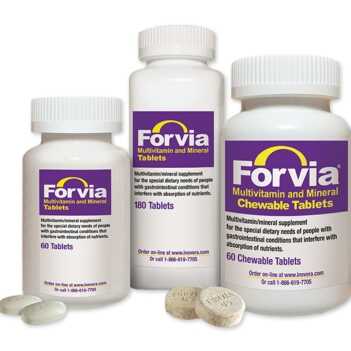
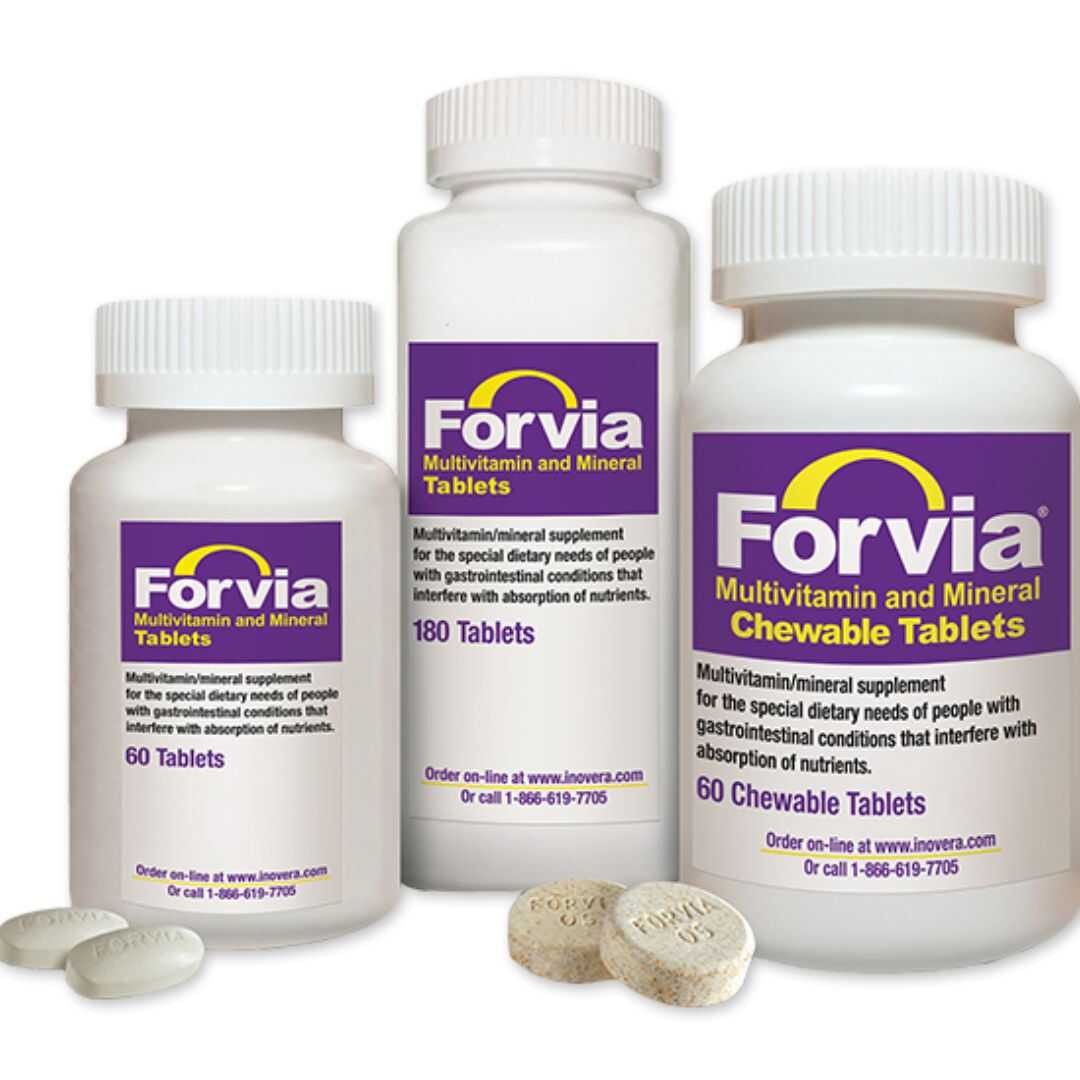
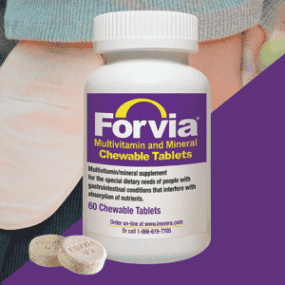
At Inovera, Forvia was created specifically with malabsorption and digestive sensitivity in mind.
It includes:
-
Water-miscible forms of vitamins A, D, E, and K for improved uptake in individuals with fat malabsorption
-
1000 mcg of vitamin B12 to support energy production and neurological health
-
Iron paired with vitamin C to enhance absorption
-
Zinc to support immune function and tissue repair
-
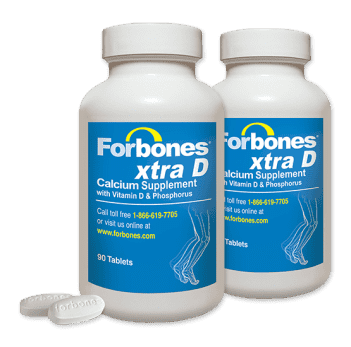
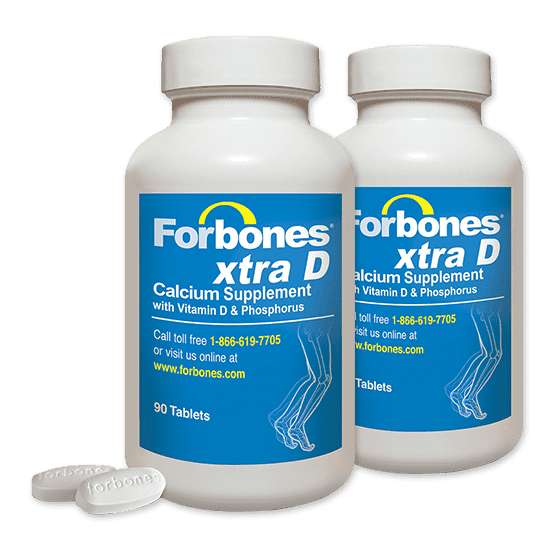
Gentle calcium to support bone health
-
Free of gluten, lactose, and harsh additives
This isn’t a generic multivitamin. It’s a high-absorption formula designed specifically for people living with Crohn’s disease, ulcerative colitis, and other digestive conditions.
The Bigger Picture: Think Beyond Flare Control
Managing IBD is about more than controlling inflammation. It’s about long-term health, resilience, and quality of life.
Remission is a milestone — not the finish line.
If you’re feeling better but not fully restored, it may be worth discussing lab work and nutritional strategy with your healthcare provider. Supporting absorption and replenishing key nutrients can make a meaningful difference in energy, bone health, and overall wellbeing.