



News & Research
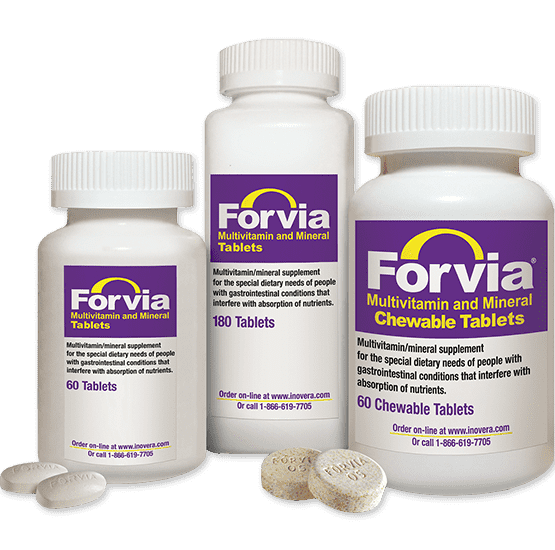
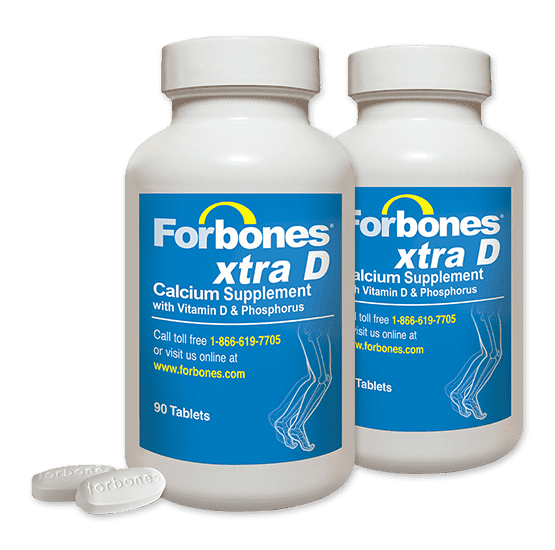
The news can be an incredibly helpful resource, especially when it's paired with scientific research. Here at Inovera Bioscience, we're dedicated to providing you with new information to help you better optimize your overall health, especially those living with an inflammatory bowel disease. Blogs in this category will help you better understand what vitamins are, how they can benefit you, and other useful information that you can use to feel better and more confident. Find a blog or video that interests you and see how our supplements Forvia and Forbones Xtra D can benefit you.
What Is Malabsorption?
Eating a nutritious diet is important, but getting nutrients into your body involves more than simply eating foods that contain them.
Food first has to be digested into components your body can use. Those nutrients must then be absorbed through the digestive tract—primarily the small intestine—and enter the bloodstream.
Malabsorption occurs when the body cannot adequately digest or absorb one or more nutrients from food. It can affect macronutrients such as protein, carbohydrates and fats, micronutrients such as vitamins and minerals, or both.
Malabsorption isn’t a single disease. Instead, it can result from a variety of gastrointestinal diseases, surgical procedures and other conditions that interfere with digestion or absorption.
For some people, malabsorption is extensive and affects many nutrients. For others, it may primarily affect one or several specific vitamins or minerals.
Over time, inadequate absorption can contribute to vitamin and mineral deficiencies even when a person’s diet appears adequate.
How Does Nutrient Absorption Normally Work?
Most nutrient absorption takes place in the small intestine.
The inner surface of the small intestine contains millions of tiny projections called villi and microvilli. These structures dramatically increase the surface area available for nutrient absorption.
After food is broken down:
- Carbohydrates are primarily absorbed as simple sugars.
- Proteins are broken down into amino acids and small peptides.
- Dietary fats are digested with the help of pancreatic enzymes and bile.
- Vitamins and minerals are absorbed through different mechanisms and in different areas of the gastrointestinal tract.
Certain nutrients require particularly specific conditions for absorption.
For example, vitamin B12 absorption involves several digestive steps and ultimately occurs primarily in the terminal portion of the small intestine, called the ileum. Fat-soluble vitamins—including vitamins A, D, E and K—depend in part on normal fat digestion and absorption.
This is one reason why the cause and location of a gastrointestinal problem can influence which nutrients are most likely to become deficient.
What Causes Malabsorption?
Many different conditions can interfere with digestion or absorption.
Inflammatory Bowel Disease
Crohn’s disease, particularly when it affects the small intestine, may interfere with nutrient absorption. Inflammation can reduce the intestine’s ability to absorb nutrients, while symptoms such as poor appetite or diarrhea may further reduce nutritional status.
Surgery to remove portions of the intestine can also affect absorption depending on which sections are removed. The National Institute of Diabetes and Digestive and Kidney Diseases notes that inflammation, medications, surgery and reduced food intake can all contribute to nutritional problems in people with Crohn’s disease.
[Internal link: Crohn’s Disease / IBD Nutrition page]
Celiac Disease
Celiac disease is an immune-mediated condition in which gluten triggers damage to the lining of the small intestine.
Because the small intestine plays such an important role in nutrient absorption, untreated celiac disease can lead to malabsorption and malnutrition. Physicians may test people diagnosed with celiac disease for deficiencies in certain vitamins and minerals.
Intestinal Surgery
Removing a portion of the small intestine reduces the amount of absorptive surface available.
The nutritional consequences depend on factors including:
- How much intestine was removed
- Which section was removed
- The health of the remaining intestine
- Whether the colon remains intact
Extensive intestinal resection may result in short bowel syndrome, a condition that can significantly affect fluid and nutrient absorption.
Bariatric Surgery
Some weight-loss procedures alter the anatomy of the stomach or small intestine. Depending on the procedure, this can reduce food intake, change digestion and affect nutrient absorption.
Long-term nutritional monitoring is therefore an important component of care after many bariatric procedures.
[Internal link: Bariatric Nutrition page]
Pancreatic Disorders
The pancreas produces enzymes needed to digest fats, proteins and carbohydrates.
If insufficient digestive enzymes reach the small intestine, food may not be adequately broken down for absorption. Pancreatic insufficiency can therefore result in malabsorption, particularly of fat.
Other Causes
Malabsorption can also occur with certain infections, disorders affecting bile production or delivery, small intestinal bacterial overgrowth and other gastrointestinal conditions.
Because there are many possible causes, persistent symptoms of malabsorption should be medically evaluated rather than assumed to be the result of a particular condition.
Which Vitamins and Minerals Can Be Affected by Malabsorption?
Malabsorption does not affect everyone in exactly the same way.
The nutrients affected depend on the underlying condition, the portion of the gastrointestinal tract involved, dietary intake, medications, previous surgery and other individual factors.
Some nutrients that may warrant attention include:
Iron
Iron deficiency can contribute to iron-deficiency anemia, which may cause fatigue, weakness and reduced exercise tolerance.
In some people with relatively mild malabsorption, iron deficiency may even be one of the first recognizable signs.
Vitamin B12
Vitamin B12 is important for red blood cell formation and normal neurological function.
Because B12 is absorbed in the terminal ileum, conditions or surgeries affecting this part of the intestine can increase the risk of inadequate absorption.
Low B12 can eventually contribute to anemia, fatigue, numbness, tingling and neurological problems.
[Internal link: Vitamin B12 and Crohn’s Disease]
Folate
Folate is another B vitamin necessary for DNA synthesis and normal red blood cell production.
Because folate is primarily absorbed in the proximal small intestine, diseases affecting the intestinal lining can interfere with absorption.
Vitamin D
Vitamin D plays an important role in calcium metabolism, bone health and several other physiological processes.
Conditions associated with fat malabsorption may interfere with the absorption of fat-soluble vitamins such as vitamin D.
Vitamin D status can be particularly relevant when gastrointestinal disease is accompanied by other risk factors for low bone density.
[Internal link: FORBONES / Bone Health]
Vitamins A, E and K
Along with vitamin D, vitamins A, E and K are fat-soluble vitamins.
When fat digestion or absorption is substantially impaired, absorption of these vitamins may also be affected.
Deficiencies can produce very different effects depending on the nutrient. For example, vitamin K deficiency may increase bleeding tendency, while severe vitamin A deficiency can affect vision.
Calcium
Calcium is essential for normal bone structure as well as muscle, nerve and cellular function.
Poor dietary intake, vitamin D deficiency and certain malabsorptive conditions may all influence calcium balance and long-term bone health.
Zinc and Other Trace Minerals
Depending on the underlying gastrointestinal condition, intake and losses, trace minerals such as zinc may also require monitoring.
The key point is that there is no single universal pattern of nutrient deficiency in malabsorption.
Testing and supplementation should be individualized.
What Are the Signs of Malabsorption?
Symptoms vary considerably depending on the cause and severity.
Common gastrointestinal signs may include:
- Chronic diarrhea
- Abdominal bloating
- Excessive gas
- Unintentional weight loss
- Difficulty maintaining weight
- Bulky or unusually foul-smelling stools
- Greasy or fatty stools, known as steatorrhea
However, malabsorption is not always obvious.
Sometimes symptoms of a specific nutrient deficiency become apparent before significant gastrointestinal symptoms do.
Possible signs of nutritional deficiency may include:
- Persistent fatigue or weakness
- Anemia
- Easy bruising
- Numbness or tingling
- Muscle cramps
- Bone pain or reduced bone density
- Unexplained weight loss
These symptoms are not specific to malabsorption and can have many other causes. A healthcare professional can determine whether further evaluation is appropriate.
How Is Malabsorption Diagnosed?
There isn’t one test that diagnoses every type of malabsorption.
Evaluation typically begins with a person’s medical history, symptoms, diet, medications and previous gastrointestinal conditions or surgeries.
Depending on the situation, healthcare providers may use:
- Blood tests
- Complete blood count
- Iron and ferritin testing
- Vitamin B12 and folate levels
- Vitamin D and other nutrient testing
- Stool testing
- Tests for fat malabsorption
- Breath testing
- Endoscopy
- Small-intestinal biopsy
- Imaging or disease-specific testing
The goal is not only to determine whether malabsorption is occurring, but also to identify why it is occurring.
That distinction matters because treating the underlying cause is an important part of managing malabsorption.
Can a Healthy Diet Prevent Vitamin Deficiency From Malabsorption?
A nutrient-rich, balanced diet remains important.
However, when the digestive tract cannot adequately absorb a nutrient, simply consuming more of that nutrient through food may not always be enough to correct a deficiency.
For example, someone whose Crohn’s disease affects an important area of nutrient absorption may have different nutritional needs from someone without intestinal disease—even if the two people eat similar diets.
The same is true after certain gastrointestinal surgeries.
This does not mean that everyone with a digestive condition needs high-dose supplements.
Instead, people at risk for malabsorption should work with their healthcare team to determine:
- Which nutrients they may be at risk of lacking
- Whether blood testing or other monitoring is appropriate
- Whether dietary changes are needed
- Whether supplementation is appropriate
- What dose and formulation makes sense for their individual situation
Choosing a Multivitamin When Nutrient Absorption Is a Concern
General-purpose multivitamins are typically developed for the nutritional needs of the general population.
People with gastrointestinal conditions associated with compromised nutrient absorption may have different considerations.
When discussing a multivitamin with your healthcare provider, questions to consider include:
- Does the formula provide the nutrients most relevant to my condition?
- Are the amounts appropriate for my individual needs?
- Will the product be well tolerated by my digestive system?
- Are there ingredients that may aggravate my gastrointestinal symptoms?
- Do I need additional supplementation based on laboratory results?
- Could any ingredients interact with my medications?
FORVIA: Nutritional Support Designed With Malabsorption in Mind
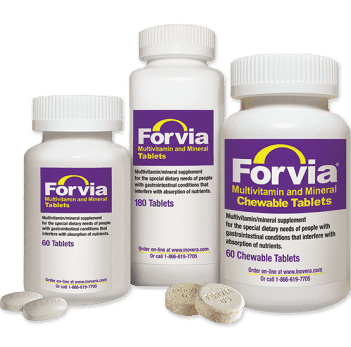
FORVIA® is a multivitamin and mineral supplement developed specifically with the nutritional needs of people with compromised nutrient absorption in mind.
FORVIA Tablets and Chewables provide vitamins and minerals selected based on nutritional deficiencies that may occur in conditions associated with malabsorption, including inflammatory bowel disease and certain gastrointestinal surgeries. The formulations are also gluten-free and lactose-free.
[CTA: Learn More About FORVIA]
A multivitamin does not treat the underlying cause of malabsorption, and individual nutritional requirements vary. Talk with your healthcare professional about whether FORVIA or another nutritional supplement is appropriate for you.
Frequently Asked Questions About Malabsorption
Can malabsorption cause vitamin deficiency?
Yes. If the digestive system does not adequately absorb vitamins and minerals from food, deficiencies can develop over time. The particular nutrients affected depend on the cause and location of the malabsorption.
Which vitamins are most affected by malabsorption?
There is no single answer for everyone. Depending on the underlying condition, deficiencies can involve iron, vitamin B12, folate, calcium, vitamin D and the other fat-soluble vitamins A, E and K, among other nutrients.
Can you have malabsorption without severe diarrhea?
Yes. Although chronic diarrhea is a common symptom, malabsorption can sometimes be less obvious. In mild cases, a nutrient deficiency such as iron deficiency may be one of the findings that leads to further evaluation.
Does Crohn’s disease cause malabsorption?
It can. Crohn’s disease involving the small intestine may interfere with nutrient absorption. Reduced food intake, diarrhea, medications and intestinal surgery can also affect nutritional status.
Can celiac disease cause malabsorption?
Yes. Untreated celiac disease damages the small intestine and can interfere with the body’s ability to absorb nutrients. Following a medically appropriate gluten-free diet allows the intestine to heal in most people, but nutrient deficiencies may need to be evaluated and treated.
Should someone with malabsorption take a multivitamin?
Not necessarily everyone. The appropriate nutritional strategy depends on the cause of malabsorption, dietary intake, laboratory results, medications and individual health needs. A physician or registered dietitian can help determine whether supplementation is appropriate.
The Bottom Line
Malabsorption means the digestive system is not adequately absorbing one or more nutrients from food. It can occur with conditions such as Crohn’s disease and celiac disease, after certain gastrointestinal surgeries, or as a result of other digestive disorders.
Because different conditions affect different nutrients, vitamin and mineral deficiencies associated with malabsorption should be evaluated individually rather than treated with a one-size-fits-all approach.
Maintaining a nutritious diet, treating the underlying gastrointestinal condition and monitoring nutrients when appropriate are all important parts of maintaining nutritional health.
For people who need additional nutritional support, a healthcare professional can help determine whether a specialized multivitamin/mineral supplement such as FORVIA is appropriate.
Medical References
- Merck Manual. Overview of Malabsorption. Reviewed March 2025.
- National Institute of Diabetes and Digestive and Kidney Diseases. Eating, Diet, & Nutrition for Crohn’s Disease.
- National Institute of Diabetes and Digestive and Kidney Diseases. Treatment for Celiac Disease.
- National Institute of Diabetes and Digestive and Kidney Diseases. Definition & Facts for Celiac Disease.
This article is for educational purposes only and is not intended to provide medical advice, diagnosis or treatment. Nutritional needs vary based on individual health conditions, medications, diet and other factors. Talk with your healthcare professional before starting or changing a dietary supplement.

Celiac Disease and Nutrient Deficiency: What You Need to Know (and How to Fill the Gaps)
If you’ve recently been diagnosed with celiac disease—or have been managing it for years—you already know that a strict gluten-free diet is non-negotiable. But here’s what many patients aren’t told: even when you follow the diet perfectly, your body may still be falling short on essential vitamins and minerals.
Celiac disease damages the small intestine, and that damage doesn’t repair overnight. Until it does—and sometimes long after—your gut simply can’t absorb nutrients the way a healthy digestive system can. That’s why nutritional supplementation is one of the most important and most overlooked pillars of celiac disease management.
This guide covers everything you need to know: what celiac disease is, why it causes deficiencies, which nutrients are most at risk, and how to choose the right supplement to support your health.

What Is Celiac Disease?
Celiac disease is a chronic autoimmune disorder triggered by the ingestion of gluten—a protein found in wheat, barley, rye, and malt. When someone with celiac eats gluten, their immune system mistakenly attacks the lining of the small intestine, damaging the tiny finger-like projections called villi that are responsible for nutrient absorption.
According to the Celiac Disease Foundation, celiac disease affects approximately 1 in 100 people worldwide, yet an estimated 83% of Americans who have it are undiagnosed or misdiagnosed with conditions like IBS or Crohn’s disease. In the United States alone, that’s roughly 3 million people living with celiac—many of them not yet aware of it.
Unlike a wheat allergy or non-celiac gluten sensitivity, celiac disease causes measurable, structural damage to the gut. This is why the consequences extend well beyond digestive discomfort: they reach every organ system in the body that depends on a steady supply of nutrients.
Celiac Disease Symptoms: More Than a Stomach Problem
Celiac disease presents differently in every person, which is a key reason it goes undiagnosed for so long. While GI symptoms are the most well-known, celiac is a systemic condition with wide-ranging effects.
Digestive Symptoms
- Chronic diarrhea or constipation (sometimes alternating)
- Abdominal bloating, pain, and cramping
- Nausea and vomiting
- Excessive gas
- Pale, foul-smelling, or fatty stools (a sign of fat malabsorption)
Systemic and Neurological Symptoms
- Persistent fatigue and low energy (often tied to iron-deficiency anemia)
- Brain fog and difficulty concentrating
- Headaches and migraines
- Joint and bone pain
- Numbness or tingling in hands and feet (linked to B12 and folate deficiency)
- Skin rashes, including dermatitis herpetiformis—a blistering rash that is actually a direct manifestation of celiac disease
Mood and Mental Health
Research has found a significant connection between celiac disease and anxiety and depression. A study published in Alimentary Pharmacology & Therapeutics found that people with celiac disease have a higher prevalence of anxiety and mood disorders, which may be related to both nutritional deficiencies and systemic inflammation.
In Children
In children, celiac may show up as delayed growth, failure to thrive, irritability, dental enamel defects, and delayed puberty. Many cases go unrecognized because the link between digestive issues and developmental concerns isn’t always made.
If you’re experiencing several of these symptoms chronically, it’s important to speak with your doctor and request appropriate testing.

How Is Celiac Disease Diagnosed?
Because celiac symptoms overlap with so many other conditions, diagnosis requires specific testing. Self-diagnosing is not reliable, and starting a gluten-free diet before testing can actually interfere with accurate results.
The diagnostic process typically involves:
- Blood tests looking for tTG-IgA antibodies, IgA endomysial antibodies, and DGP IgA/IgG levels
- Small intestinal biopsy (via endoscopy), which remains the gold standard for confirming intestinal damage
- Genetic testing (HLA-DQ2 and HLA-DQ8 genes) to assess predisposition
- Gluten challenge, in cases where someone has already eliminated gluten, to stimulate antibody production before testing
The National Institute of Diabetes and Digestive and Kidney Diseases (NIDDK) provides thorough guidance on the diagnostic pathway and what to expect.
Celiac Disease and Nutrient Malabsorption: Why Deficiency Happens
This is the part of celiac management that often gets underestimated. The small intestine’s villi are responsible for absorbing the vast majority of the nutrients from your food. In active celiac disease, these villi become blunted or completely flattened. Even after going gluten-free, intestinal healing can take months to years—and in some adults, full recovery never occurs.
The result: your food passes through without delivering the nutrition it should. This is called malabsorption, and it creates real health risks beyond digestive discomfort.
Learn more about how malabsorption conditions affect the body on the Inovera Bioscience Celiac Disease resource page.
The Most Common Nutritional Deficiencies in Celiac Disease
Understanding which nutrients are at risk helps you take targeted action. Here are the deficiencies most commonly seen in celiac patients, even those following a gluten-free diet:
Iron
Iron-deficiency anemia is one of the most frequent presenting signs of celiac disease, especially in adults. The upper part of the small intestine—where iron absorption occurs—is typically the most damaged area in celiac. The result is often profound fatigue, pallor, and shortness of breath.
Vitamin D
Vitamin D is a fat-soluble vitamin, and fat malabsorption is a hallmark of active celiac disease. Deficiency contributes to bone loss, muscle weakness, immune dysfunction, and mood disturbances.
Calcium
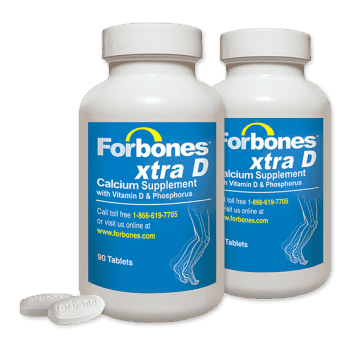
Low calcium, often compounded by vitamin D deficiency, puts celiac patients at significantly elevated risk for osteopenia and osteoporosis. Many people with celiac have measurably reduced bone density at the time of diagnosis. If bone health is a concern for you, explore Forbones Xtra D—a calcium supplement formulated with dicalcium phosphate and vitamin D specifically for people with malabsorption conditions.
Vitamin B12
B12 is absorbed in the terminal ileum, an area often affected by intestinal damage. Deficiency causes fatigue, neurological symptoms, and megaloblastic anemia. Because dietary B12 requires an intact gut for absorption, high-dose oral supplementation is often the most practical approach.
Folate (Vitamin B9)
Folate deficiency is common in newly diagnosed celiac patients and can contribute to anemia and, in pregnancy, neural tube defects. Interestingly, adequate folate intake has also been associated with a reduced risk of colorectal dysplasia in people with inflammatory bowel conditions.
Zinc
Zinc plays a central role in immune function, wound healing, and intestinal repair. Celiac patients frequently test low, which can impair the very healing process the gut needs to recover.
Vitamins A, E, and K
These fat-soluble vitamins are frequently depleted in malabsorption conditions. Vitamin A supports immune function and vision; vitamin E is a key antioxidant; vitamin K is essential for blood clotting and bone metabolism.

Celiac Disease Treatment: The Gluten-Free Diet and Beyond
Step 1: Strict Gluten Elimination
A lifelong, strict gluten-free diet is the only established treatment for celiac disease. This means eliminating all sources of wheat, barley, rye, and malt—including hidden gluten in sauces, seasonings, medications, supplements, and even some personal care products.
Gluten hides in unexpected places. Some grains to watch for include:
- Wheat (all forms: durum, semolina, spelt, farro, kamut)
- Barley and malt (common in beer, malt vinegar, and many cereals)
- Rye
- Triticale
Working with a registered dietitian who specializes in celiac disease can be invaluable, particularly when navigating cross-contamination, restaurant eating, and label reading.
Step 2: Allow Time for Intestinal Healing
After starting a gluten-free diet, most people begin to see symptom improvement within weeks. However, full mucosal healing of the intestine can take one to two years in adults—and for some, longer. During this healing period, nutrient absorption remains impaired, making supplementation especially important.
Step 3: Address Nutrient Deficiencies Through Supplementation
This is where many treatment plans fall short. A gluten-free diet alone does not automatically replenish depleted nutrient stores, nor does it guarantee adequate ongoing absorption. Standard multivitamins are often formulated for healthy digestive systems and may not be absorbed effectively by someone with intestinal damage.
People with celiac disease need a supplement specifically designed for malabsorption—one that:
- Uses bioavailable, highly absorbable nutrient forms
- Avoids ingredients that irritate or inflame the gut
- Is certified gluten-free and free from common allergens
- Delivers clinically relevant doses of the nutrients most at risk
Choosing the Best Vitamin Supplement for Celiac Disease
Not all vitamins are created equal, and this matters enormously for celiac patients. Here’s what to look for:
Fat-soluble vitamins in water-miscible form: Since fat absorption is compromised in malabsorption conditions, vitamins A, D, E, and K should be in a form that doesn’t require fat for uptake.
High-dose B12: Because passive absorption allows some B12 uptake even with a damaged gut, a dose of 1,000 mcg or more can overcome the absorption deficit without requiring injections.
Iron as ferrous fumarate: This form is highly soluble in the GI tract and better tolerated than ferrous sulfate or ferrous gluconate.
Non-gassy calcium: Standard calcium carbonate can cause bloating and gas—particularly problematic for celiac patients. Dicalcium phosphate provides calcium without the digestive side effects.
No magnesium as an active ingredient: Magnesium has a laxative effect and can worsen the diarrhea already associated with celiac flares.
Verified gluten-free: Any supplement taken by a celiac patient must be confirmed free of gluten—not just “wheat-free.”
Forvia by Inovera Bioscience was developed specifically to address these requirements. With over 20 years of use among patients with IBD, Crohn’s disease, ulcerative colitis, celiac disease, and post-bariatric surgery, Forvia’s formulation was guided by clinical research into what malabsorption patients actually need—and what common supplements get wrong. It delivers 20+ essential vitamins and minerals in forms selected for optimal absorption, is certified gluten-free, lactose-free, and KSA Kosher certified, and is manufactured in FDA-registered facilities in the USA.
Read more about how Forvia supports patients with inflammatory bowel disease and related conditions.
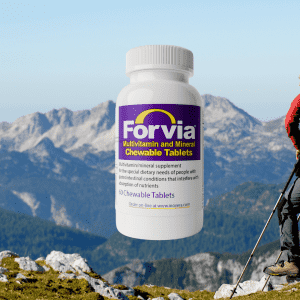
Celiac Disease vs. Gluten Intolerance vs. Wheat Allergy
These three conditions are often confused, but they have important differences:
Celiac disease is an autoimmune condition. The immune system attacks the intestinal lining, causing structural damage and systemic consequences. Diagnosis requires a biopsy. Lifelong strict gluten elimination is required.
Non-celiac gluten sensitivity (NCGS) produces similar symptoms—bloating, fatigue, brain fog—but does not involve the same autoimmune mechanism or measurable intestinal damage. It is a diagnosis of exclusion, made after celiac and wheat allergy are ruled out.
Wheat allergy is an IgE-mediated immune response, similar to other food allergies. Symptoms can include hives, respiratory issues, and in severe cases, anaphylaxis. Unlike celiac, a wheat allergy does not necessarily require avoiding all gluten-containing grains—only wheat itself.
Getting the right diagnosis matters enormously, because the treatment protocols, dietary restrictions, and health monitoring differ between all three. Always work with a physician rather than self-diagnosing.
Living Well With Celiac Disease: Key Takeaways
Celiac disease is manageable, but it requires more than a dietary swap. Here’s a summary of the most important steps:
- Get properly diagnosed before making any dietary changes.
- Follow a strict, lifelong gluten-free diet—including vigilance about hidden gluten and cross-contamination.
- Work with a dietitian who understands celiac nutrition to optimize your food choices.
- Monitor your nutrient levels regularly through blood work, particularly iron, B12, vitamin D, calcium, folate, and zinc.
- Supplement strategically with a high-absorption multivitamin designed for malabsorption conditions.
- Be patient with healing—intestinal recovery takes time, and symptoms may improve slowly.
For people with celiac disease who are looking for a supplement formulated to meet their specific absorption challenges, Forvia is available to order online with free domestic shipping on orders over $80, and a Subscribe & Save option for ongoing support.

This article is for informational purposes only and is not a substitute for professional medical advice, diagnosis, or treatment. Always consult your physician or qualified healthcare provider with questions regarding your health or a medical condition.

What Is Ulcerative Colitis (UC)?

Ulcerative colitis (UC) is a chronic inflammatory bowel disease (IBD) that causes inflammation and ulcers in the lining of the large intestine (colon) and rectum. UC is an autoimmune-related condition in which the immune system mistakenly attacks the intestinal lining, leading to inflammation, bleeding, diarrhea, and abdominal pain.
According to the Crohn’s & Colitis Foundation, this condition affects hundreds of thousands of people in the United States and often develops between ages 15 and 30, although it can occur at any age.
Ulcerative Colitis (UC) Symptoms
Common symptoms include:
-
Chronic diarrhea
-
Blood or mucus in stool
-
Abdominal pain and cramping
-
Urgency to have bowel movements
-
Fatigue
-
Weight loss
-
Nutrient deficiencies
-
Anemia
-
Joint pain
-
Skin issues
Symptoms often occur in flares, followed by periods of remission. During flares, inflammation increases and symptoms worsen.
Many individuals with ulcerative colitis also experience nutritional deficiencies due to inflammation, poor absorption, and restricted diets.
What Causes Ulcerative Colitis?
The exact causes are not fully understood, but research suggests several contributing factors:

1. Immune System Dysfunction
UC is considered an autoimmune condition where the immune system attacks the colon lining.
2. Genetics
People with a family history of inflammatory bowel disease have a higher risk.
3. Gut Microbiome Imbalance
Research published in journals such as Nature Reviews Gastroenterology & Hepatology shows that changes in gut bacteria may contribute to intestinal inflammation.
4. Environmental Factors
Diet, stress, infections, and antibiotic use may trigger flares in some individuals.
Ulcerative Colitis and Nutrient Deficiencies
People with this condition commonly develop vitamin and mineral deficiencies due to inflammation and poor absorption.
Common deficiencies in UC include:
-
Iron
-
Vitamin B12
-
Vitamin D
-
Magnesium
-
Zinc
-
Folate
-
Calcium
This is why nutrition and supplementation are important parts of ulcerative colitis support alongside medical treatment.
Nutrition Support for Ulcerative Colitis (UC)
Diet does not cause colon inflammation, but certain foods may trigger symptoms during flares.
Many individuals with UC benefit from focusing on:
-
Easily digestible foods
-
Low-residue diets during flares
-
Adequate protein intake
-
Vitamin and mineral supplementation
-
Hydration
-
Avoiding trigger foods
Because UC patients often have sensitive digestion, high-absorption, easy-to-digest vitamins such as Forvia by Inovera may be helpful for maintaining nutritional status.
How Forvia Supports You
Forvia by Inovera is formulated to support individuals with digestive disorders, including ulcerative colitis, Crohn’s disease, IBS, and other gastrointestinal conditions.
People with ulcerative colitis often struggle with:
-
Nutrient malabsorption
-
Digestive irritation from standard multivitamins
-
Iron deficiency anemia
-
Fatigue
-
Bone density loss from steroid use
-
Low vitamin D levels
 Forvia is designed to help address these concerns by providing:
-
High-absorption vitamins and minerals
-
Gentle iron that is easier on the stomach
-
Vitamin D and calcium for bone health
-
B vitamins for energy and anemia support
-
Magnesium and zinc for immune and gut health
-
Easy-to-digest formulation
Unlike many multivitamins, Forvia is designed for people with sensitive digestion and inflammatory bowel conditions.
Managing Ulcerative Colitis Long Term
UC is a chronic condition, but many people achieve long periods of remission with proper management.
Long-term UC management often includes:
-
Working with a gastroenterologist
-
Anti-inflammatory or immune medications
-
Monitoring nutrient levels
-
Maintaining proper nutrition
-
Managing stress
-
Supporting gut health
-
Supplementing vitamins and minerals
-
Regular colon screenings when recommended
A comprehensive approach that includes medical treatment, nutrition, and lifestyle management often provides the best outcomes for individuals living with ulcerative colitis.
Final Thoughts
Ulcerative colitis (UC) is a complex inflammatory bowel disease that affects the colon, digestion, and overall health. Because UC can interfere with nutrient absorption and cause chronic inflammation, maintaining proper nutrition and vitamin levels is extremely important.
Many individuals with ulcerative colitis benefit from high-absorption multivitamins designed for digestive disorders, along with proper medical care and diet management.

If you have ulcerative colitis and are concerned about nutrient deficiencies, digestive issues, or fatigue, learning more about nutritional support options may be beneficial.

 When symptoms of Crohn’s disease or Ulcerative Colitis finally calm down, it feels like a hard-earned victory.
And it is.
But here’s something that doesn’t get talked about enough: clinical remission does not always equal full nutritional recovery.
Even when inflammation decreases and flares stop, the underlying effects of inflammatory bowel disease (IBD) on nutrient absorption can linger. For many people, that “I’m better… but not 100%” feeling has a physiological explanation.
Let’s unpack why.
IBD and Nutrient Deficiencies — Even in Remission
Research consistently shows that individuals with inflammatory bowel disease are at increased risk for micronutrient deficiencies — even during periods of remission (read source here).
Common deficiencies include:
-
Vitamin B12
-
Iron
-
Vitamin D
-
Zinc
-
Calcium
-
Fat-soluble vitamins (A, D, E, K)
Why does this happen?
1. Prior Intestinal Inflammation
Chronic inflammation can damage the intestinal lining, reducing its ability to absorb nutrients efficiently — even after visible symptoms improve (read source here).
2. Surgical Resections
If part of the small intestine has been removed (particularly the ileum), absorption of nutrients like B12 and bile-dependent vitamins can be permanently reduced.
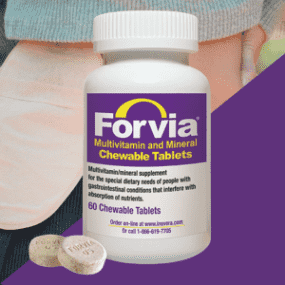 3. Altered Gut Barrier Function
IBD can change how the intestinal lining processes nutrients, sometimes long term.
4. Restricted Diets
Many people with Crohn’s or ulcerative colitis avoid high-fiber foods, dairy, or certain proteins to prevent flares. While helpful for symptom control, these restrictions can unintentionally lower nutrient intake.
5. Medication History
Long-term corticosteroid use can affect bone density and calcium metabolism. Other medications may influence absorption or increase nutrient needs.
Remission manages symptoms. It does not automatically restore optimal absorption.
Signs You May Still Have a Nutritional Gap
You might want to evaluate nutrient status if:
-
You’re in remission but still feel “not quite optimal”
-
You’ve had bowel surgery
-
You avoid entire food groups
-
You’ve used corticosteroids in the past
-
You haven’t checked labs recently
-
You experience fatigue despite stable disease activity
Fatigue, low energy, slow recovery, brittle nails, hair thinning, or frequent illness can all be subtle signs that nutrient levels aren’t where they should be.
Why Standard Multivitamins May Not Be Enough for IBD
Most conventional multivitamins are formulated for general populations with normal digestive function.
For individuals living with Crohn’s disease or ulcerative colitis, absorption can be impaired. That means:
-
Fat-soluble vitamins may not absorb efficiently
-
Iron may cause GI discomfort
-
Standard doses may be insufficient
-
Certain fillers or additives may irritate sensitive digestion
That’s why formulation matters (click to learn more).
How Forvia Was Designed for Digestive Sensitivity
At Inovera, Forvia was created specifically with malabsorption and digestive sensitivity in mind.
It includes:
-
Water-miscible forms of vitamins A, D, E, and K for improved uptake in individuals with fat malabsorption
-
1000 mcg of vitamin B12 to support energy production and neurological health
-
Iron paired with vitamin C to enhance absorption
-
Zinc to support immune function and tissue repair
-
Gentle calcium to support bone health
-
Free of gluten, lactose, and harsh additives
This isn’t a generic multivitamin. It’s a high-absorption formula designed specifically for people living with Crohn’s disease, ulcerative colitis, and other digestive conditions.
The Bigger Picture: Think Beyond Flare Control
Managing IBD is about more than controlling inflammation. It’s about long-term health, resilience, and quality of life.
Remission is a milestone — not the finish line.
If you’re feeling better but not fully restored, it may be worth discussing lab work and nutritional strategy with your healthcare provider. Supporting absorption and replenishing key nutrients can make a meaningful difference in energy, bone health, and overall wellbeing.

Crohn’s Disease: Why High-Absorption Vitamins Matter
Crohn’s disease is a chronic inflammatory condition that affects the gastrointestinal tract, often involving the small intestine—the primary site for nutrient absorption. While symptoms such as abdominal pain, diarrhea, and fatigue are well recognized, nutritional deficiencies are an equally important but frequently overlooked consequence of Crohn’s disease.
Even individuals who maintain a balanced diet or take standard multivitamins may continue to experience deficiencies. The reason is not always inadequate intake, but rather impaired absorption.

How Crohn’s Disease Impairs Nutrient Absorption
In healthy digestion, vitamins and minerals are absorbed through the lining of the small intestine. Crohn’s disease disrupts this process through several well-documented mechanisms:
– Chronic intestinal inflammation that damages the mucosal surface
– Reduced absorptive surface area, particularly after bowel resections
– Accelerated intestinal transit, limiting time for absorption
– Chronic diarrhea, leading to ongoing nutrient losses
– Medication effects, including corticosteroids and acid-suppressing therapies
Because Crohn’s disease often affects the terminal ileum—where vitamin B12 and bile acids are absorbed—malabsorption can persist even during periods of clinical remission.
Common Vitamin and Mineral Deficiencies in Crohn’s Disease
Clinical studies and gastroenterology guidelines consistently identify several nutrients that are commonly deficient in individuals with Crohn’s disease:
– Vitamin B12 – absorbed in the terminal ileum, a frequent site of Crohn’s involvement
– Iron – due to chronic inflammation, impaired absorption, and intestinal blood loss
– Vitamin D – associated with immune regulation and bone health
– Folate (Vitamin B9) – essential for cell repair and red blood cell production
– Magnesium and Zinc – often depleted with chronic diarrhea
These deficiencies may contribute to fatigue, cognitive difficulties, bone loss, hair thinning, and impaired immune function.
 Why Standard Multivitamins Often Fall Short in Crohn’s Disease
Most commercially available multivitamins are formulated for individuals with normal gastrointestinal function. In Crohn’s disease, this assumption can limit their effectiveness.
– Low-bioavailability nutrient forms that require intact absorption pathways
– Large tablets that may pass through the gut incompletely digested
– Excipients or fillers that may irritate sensitive digestive systems
– Dosing strategies that assume full intestinal uptake
As a result, laboratory deficiencies may persist despite consistent supplement use. In Crohn’s disease, nutrient form and absorption efficiency are as important as dose.
Why Absorption-Focused Vitamins Matter in Crohn’s Disease
For individuals with compromised digestion, current clinical guidance emphasizes individualized nutritional strategies. Absorption-focused vitamin formulations are designed to:
– Use highly bioavailable forms of key nutrients
– Minimize reliance on damaged intestinal segments
– Reduce gastrointestinal irritation
– Improve the likelihood that nutrients are absorbed and utilized
This approach aligns with gastroenterology guidelines that recognize nutrition as a critical component of Crohn’s disease management.
Nutritional Support Designed With Malabsorption in Mind
Recognizing the unique nutritional challenges of Crohn’s disease, Forvia was developed by Inovera Bioscience to support individuals with conditions associated with impaired absorption.
Forvia is formulated to:
– Address nutrients commonly depleted in Crohn’s disease
– Use forms selected for enhanced absorption
– Avoid unnecessary additives that may exacerbate gastrointestinal sensitivity
– Support energy, immune function, and overall nutritional status
Rather than functioning as a general multivitamin, Forvia is designed to complement medical care by supporting nutritional needs when digestion is compromised.
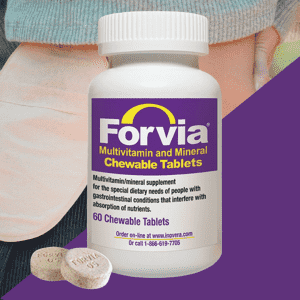
Quality and Manufacturing Standards Matter
For individuals managing chronic conditions, supplement quality and consistency are essential.
– Manufactured in the United States
– Produced in FDA-registered facilities
– Third-party tested for potency and purity
– Developed with clinical and scientific oversight
These standards help ensure reliability and safety for individuals already navigating complex treatment regimens.
Supporting Long-Term Health With Crohn’s Disease
Crohn’s disease is a lifelong condition that requires ongoing management. Addressing nutritional deficiencies through absorption-focused supplementation can play an important role in supporting energy levels, bone health, and overall well-being.
While supplements are not a replacement for medical therapy, targeted nutritional support may help individuals with Crohn’s disease better meet their nutritional needs—especially when standard approaches fall short.
Clinical Basis and Sources
This article is informed by peer-reviewed research and clinical guidance from reputable sources, including the American Gastroenterological Association (AGA), European Crohn’s and Colitis Organisation (ECCO), National Institutes of Health (NIH), and review literature published in journals such as Gut, Clinical Gastroenterology and Hepatology, and Inflammatory Bowel Diseases.
Don’t let fatigue define your days. Contact us or subscribe today to start reclaiming your energy.

You manage your diet, take your meds, and see your doctor, yet the exhaustion persists. For many living with IBD or Celiac disease, this isn’t just “tiredness”—it’s a sign of deep-seated nutritional gaps. Inovera Bioscience explores the science behind this chronic fatigue and how to fuel your body correctly.

The “Invisible” Energy Drain
Standard blood tests often miss the functional impact of malabsorption. When your body struggles to absorb Iron, B12, and Magnesium due to inflammation, your energy production halts. This leads to a distinct “brain fog” and lethargy that coffee can’t fix. Targeted nutritional support is the only way to refill these depleted reserves.

Why Standard Multivitamins Fail
If you are taking a generic store-brand vitamin, you might be flushing your money away. Most rely on fat for absorption—something your system may currently struggle to process. Forvia uses water-miscible technology, allowing crucial energy-supporting vitamins to bypass fat absorption issues and enter your system directly.

The Silent Risk to Your Bones
Fatigue isn’t the only hidden symptom; bone density loss is a quiet threat for IBD patients. Malabsorption impedes calcium uptake, increasing fracture risk over time. Our best calcium supplement, Forbones Xtra D, uses dicalcium phosphate to maximize bone support without the gas or bloating associated with common calcium carbonate.

Simplify Your Daily Routine
When you are fighting fatigue, complex routines are a barrier. That’s why we created adult chewable vitamins. They offer a frictionless way to ensure consistency—no water needed, no large pills to swallow, just the science-backed nutrients your body is craving.
Don’t let fatigue define your days. Contact us or subscribe today to start reclaiming your energy.

For those living with Celiac Disease (CD), a strict gluten-free diet is the first line of defense, but it is rarely the end of the nutritional battle. Even with dietary changes, damaged villi often struggle to absorb essential nutrients. This malabsorption gap requires a targeted solution designed specifically for a compromised gut.

The Celiac Challenge: Why a Regular Multivitamin for Celiac Disease Isn’t Enough
Celiac Disease damages the delicate intestinal villi responsible for nutrient uptake, leading to significant malabsorption issues. Even when sticking to a gluten-free lifestyle, many patients remain deficient in critical nutrients like fat-soluble vitamins (A, D, E, K), B12, iron, and zinc. Standard store-bought multivitamins are simply not formulated to overcome these specific absorption hurdles.
FORVIA: Formulated for Maximum Absorption
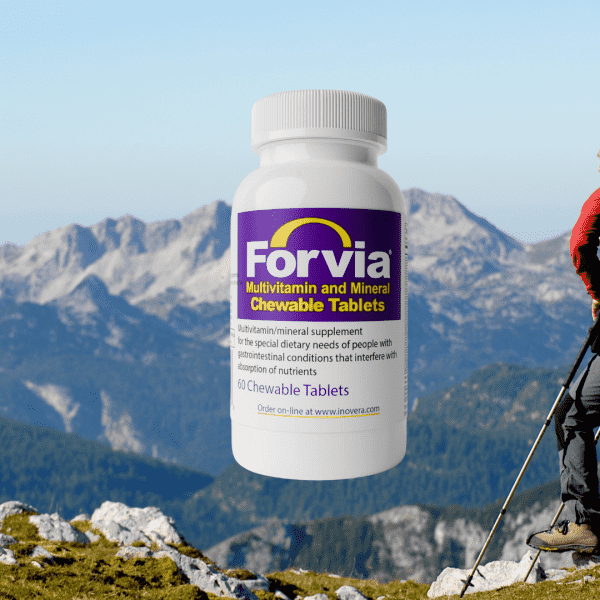
FORVIA closes the nutritional gap with a specialized formula designed for patients with malabsorption conditions. It features water-miscible forms of vitamins A, D, E, and K, ensuring they mix easily with body fluids for superior uptake even when fat absorption is hindered. Additionally, it provides high-dose B12 and enhanced iron to directly target common anemia and energy deficiencies.

Gentle on the Gut and Free of Common Irritants
Nutritional support should never cause further discomfort. FORVIA is strictly gluten-free and lactose-free, making it safe for the most sensitive systems. Unlike standard supplements that use carbonate forms of calcium, FORVIA utilizes dicalcium phosphate—a non-gassy calcium source that avoids the bloating and digestive upset often associated with traditional vitamins.

The Smart Way to Supplement: Subscribe & Save 10%
Managing Celiac Disease requires consistency, and your nutritional support should be reliable. By choosing a FORVIA subscription, you ensure you never run out of your daily essential support while automatically locking in a 10% discount on every order. It is the most affordable way to maintain your health, with the flexibility to modify or pause anytime.
Living with Celiac Disease means demanding more from your nutrition. FORVIA offers a science-backed, high-absorption solution that addresses the unique challenges of a compromised gut. Don’t settle for generic supplements that don’t work for you. Look to Inovera today to support your long-term health and save money in the process.

Adjusting to life with an ostomy often involves a new focus on nutrition. At Inovera Bioscience, we understand that post-surgery recovery and digestive changes can make nutrient absorption a significant challenge. That’s why we formulated Forvia with specific components to address these unique needs. Let’s explore four key ingredients and how they work.

Water-Miscible Fat-Soluble Vitamins (A, D, E, & K)
Fat-soluble vitamins are essential for health, but they can be difficult for the body to absorb without optimal fat digestion, a common issue for many with digestive conditions. We use water-miscible forms of vitamins A, D, E, and K in Forvia, which means they are specially prepared to mix with water, promoting better absorption.

High-Dose Vitamin B12
Vitamin B12, crucial for energy and nerve function, is primarily absorbed in the terminal ileum, a part of the small intestine that is often affected or removed during ostomy surgery. Forvia contains a high-potency dose of 1000 mcg of Vitamin B12 to help ensure that sufficient amounts can be absorbed, supporting your body’s needs.

“Non-Gassy” Calcium (Dicalcium Phosphate)
Bone health is a common concern, but many calcium supplements use calcium carbonate, which can create uncomfortable gas and bloating—a significant problem for those managing a stoma. We chose dicalcium phosphate for Forvia because it is a “non-gassy” form of calcium that supports bone health without contributing to unwanted intestinal gas or discomfort.

Optimized Iron (Ferrous Fumarate)
Iron deficiency is a frequent concern, yet many iron supplements are harsh on the digestive system. We use ferrous fumarate, a form of iron that is highly soluble and generally well-tolerated. Forvia also includes Vitamin C, which is known to enhance the body’s ability to absorb iron, providing a comprehensive approach to supporting your iron levels.
Navigating nutritional health after an ostomy requires a specialized approach. We developed Forvia to provide targeted support by including highly absorbable vitamins, essential minerals in gentle forms, and omitting ingredients that can cause digestive distress. We are committed to providing high-quality, science-backed solutions. If you are looking for the best multivitamin for ostomy recovery, we invite you to learn more about Forvia and explore our resources at Inovera Bioscience!
Order Now

Navigating life with Ulcerative Colitis (UC) means carefully managing your health, and nutrition is a huge piece of that puzzle. The inflammation associated with UC can make it difficult for your body to absorb essential nutrients from food, leading to deficiencies. This is where a targeted multivitamin like FORVIA becomes an essential part of your daily routine.

Bridging the Nutritional Gap in UC
Ulcerative Colitis can increase your body’s nutritional needs while simultaneously hindering its ability to absorb key vitamins and minerals. Research from the Crohn’s & Colitis Foundation highlights that malabsorption is a common issue for those with IBD. A specialized multivitamin helps ensure your body receives the vital nutrients it might be missing from diet alone.

Formulated for Maximum Absorption
Many over-the-counter vitamins aren’t designed for a sensitive digestive system. FORVIA by Inovera Bioscience is different. It is specifically formulated with enhanced bioavailability, meaning the nutrients are in a form that is easier for your body to absorb and utilize, which is critical when your digestive tract is compromised by inflammation from Ulcerative Colitis.
Key Nutrients for IBD Support
Individuals with UC are often deficient in iron, B12, vitamin D, and folic acid. FORVIA delivers these and over 20 other essential vitamins and minerals in carefully calibrated doses to address the most common deficiencies seen in people with malabsorption conditions. This targeted approach supports your overall health, energy levels, and well-being while managing your condition.

A Trustworthy, Science-Backed Solution
When choosing a supplement, quality is paramount. Inovera Bioscience manufactures FORVIA in FDA-registered facilities right here in the USA. Developed with input from clinical experts and endorsed by GI specialists, it’s a product you can trust. Our commitment to quality ensures you receive a reliable and effective supplement to support your health journey with confidence.
Take a Proactive Approach to Your Nutrition Living with Ulcerative Colitis requires a proactive approach to your health. Incorporating a high-quality, easily absorbable multivitamin like FORVIA can make a significant difference in your nutritional status and overall quality of life. Give your body the targeted support it needs to thrive by contacting us to learn more.

Navigating life with celiac disease goes beyond just a gluten-free diet; it involves managing the challenge of malabsorption. The damage to the small intestine’s villi can significantly hinder the body’s ability to absorb essential vitamins and minerals from food. This is where targeted nutritional support becomes crucial for overall health and well-being. Forvia from Inovera Bioscience is a specially formulated multivitamin designed to bridge these nutritional gaps with a gentle approach.

Understanding Nutrient Malabsorption in Celiac Disease
Celiac disease is an autoimmune condition triggered by gluten, leading to inflammation and damage in the small intestine. This damage flattens the villi—the tiny, finger-like projections responsible for nutrient absorption—which can lead to deficiencies in essential vitamins and minerals. Fatigue, bone density loss, and anemia are common symptoms that can arise from this chronic malabsorption, underscoring the need for a targeted nutritional strategy.

The Importance of Highly Absorbable Vitamins and Minerals
For individuals with compromised absorption, a standard multivitamin may not be enough. The effectiveness of a supplement depends on its bioavailability—how well the body can absorb and utilize the nutrients. Forvia addresses this challenge by providing key vitamins and minerals in highly absorbable forms. This includes fat-soluble vitamins (A, D, E, K) in a water-miscible form, ensuring they can be absorbed more efficiently, even with a damaged intestinal lining.
Forvia’s Gentle Formulation for Digestive Comfort
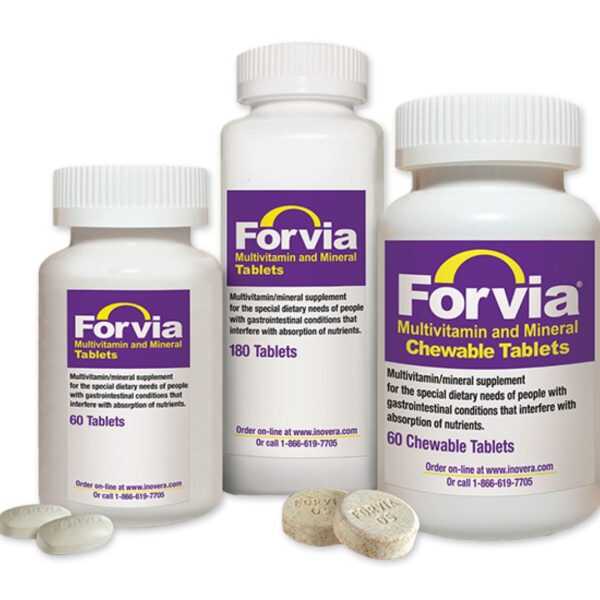
Many over-the-counter supplements contain ingredients that can irritate a sensitive digestive system. Forvia is formulated with digestive comfort in mind, minimizing the risk of gas, bloating, and other common side effects. Its carefully selected ingredients are designed to be gentle on the stomach, providing a comprehensive nutritional boost without adding to the discomfort often experienced by those with celiac disease. This thoughtful approach supports consistent daily use.

A Proactive Step Toward Restored Health
Integrating Forvia into your daily routine is a proactive step toward managing the long-term effects of celiac disease. By consistently providing the body with the essential nutrients it struggles to absorb from food, Forvia helps support overall wellness and may help combat common deficiency-related symptoms. As with any nutritional regimen, we always recommend consulting with your healthcare provider to ensure that Forvia is the right choice for your specific needs.
Shop Forvia Today